


A Solar Rooftop is a renewable energy system that uses solar photovoltaic (PV) panels installed on the rooftops of residential, commercial, industrial, or institutional buildings to generate electricity directly from sunlight. It is one of the fastest-growing and most practical solutions for clean energy generation because it utilizes idle rooftop space without requiring extra land. The system works by capturing solar radiation through PV panels and converting it into direct current (DC) electricity, which is then transformed into alternating current (AC) using an inverter, making it suitable for home or business use. The installation process generally includes a site survey to evaluate rooftop space, solar exposure, and structural strength, followed by system design, panel mounting, wiring, and inverter integration. Once installed, a solar rooftop system requires minimal maintenance, usually limited to periodic cleaning of panels and occasional inspection of electrical components. The average lifespan of a solar rooftop system is 5-10 years, and modern PV panels maintain high efficiency over time. Financially, solar rooftops provide long-term cost savings by reducing or eliminating dependence on grid electricity, which is subject to rising tariffs. Although the initial investment can be significant, government subsidies, tax benefits, and financing options (such as loans or leasing models) make adoption more affordable. Many countries, including India, offer subsidies up to 40% for residential projects and accelerated depreciation benefits for businesses. With grid-tied systems, users can further offset costs by selling excess power back to the grid, creating an additional source of income. Environmentally, solar rooftops contribute to lower carbon emissions and reduce the strain on fossil fuel–based power generation. By harnessing clean energy, they help fight climate change, improve air quality, and promote sustainable urban development. In commercial and industrial settings, adopting solar rooftop solutions can also enhance a company’s green credentials, helping them meet environmental, social, and governance (ESG) targets and attract eco-conscious customers.
Solar Rooftop
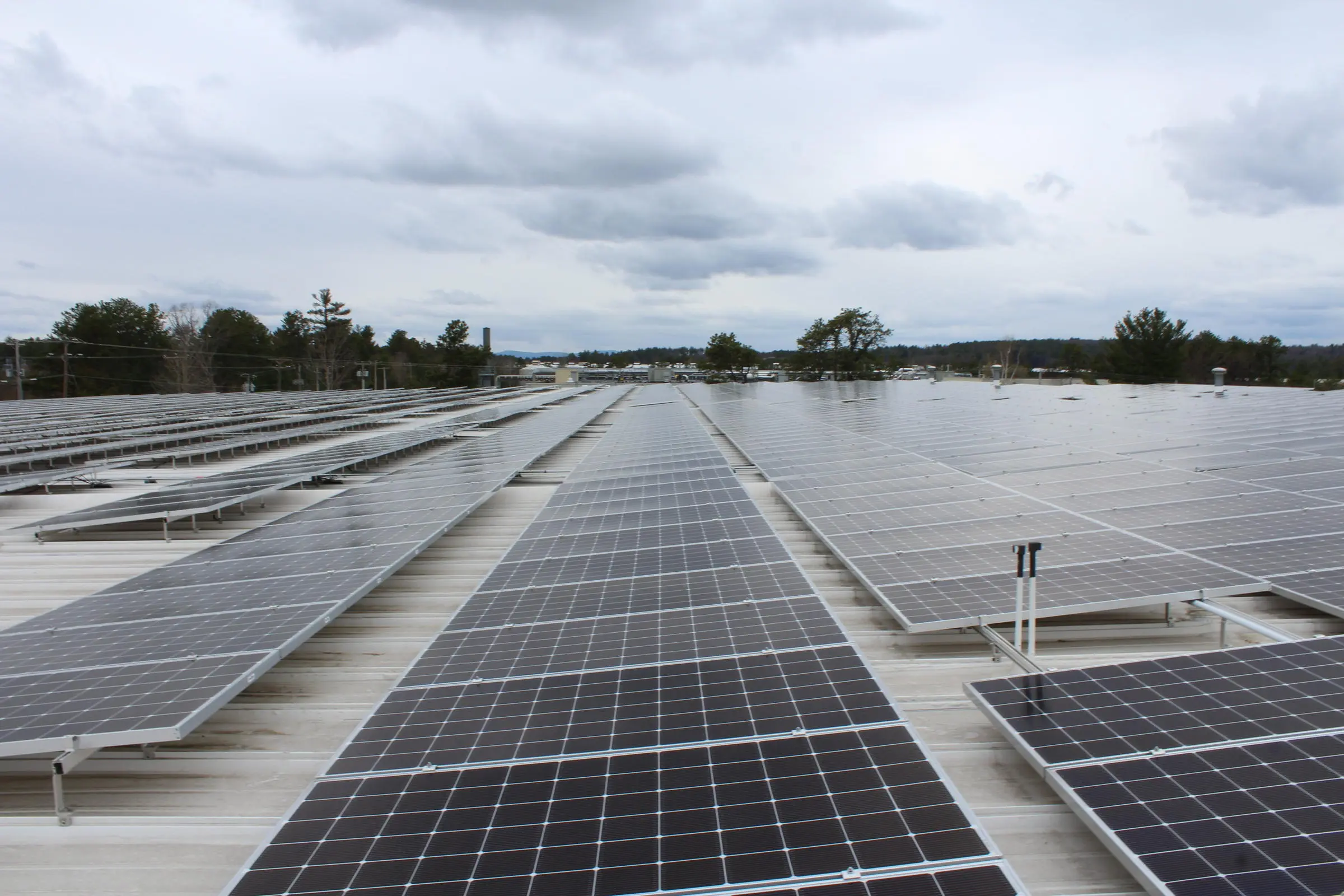
Solar Rooftop
Beyond cost savings, rooftop solar also plays a crucial role in reducing carbon emissions, promoting energy independence, and contributing to sustainability goals. Many governments provide subsidies, tax benefits, and low-interest financing to encourage adoption, making it more affordable for individuals and organizations.
Solar Rooftop
Installed on rooftops of homes, offices, or factories to generate power.
Converts sunlight into electricity using solar photovoltaic (PV) panels.
Reduces electricity bills by supplying self-generated power
Can be grid-tied (connected to the utility grid) or off-grid (with battery backup).
Requires one-time investment but offers long-term savings.
Low maintenance with a typical lifespan of 5-10 years.
Excess power in grid-tied systems can be sold back to the grid (net metering).
Helps achieve sustainability and reduce carbon footprint.
Supported by government subsidies and incentives in many regions.
Interior Services
Address
Raj Regalia complex opp new water tank pale villege Ambarnath east 421501
Phone
+919594097979
info@vedantsolar.com
© 2024 Copyright vedant swami solar